Case study · Freelance · 2025–

Consignr

Consignr is the all-in-one tool for resale and consignment stores: inventory, consignors and sales in one place. Since late 2025, I've worked with its cofounders as a design partner, thinking features through with them, then designing them.

Role
Product designer, freelance. Feature thinking and UI/UX
Timeline
Late 2025 – ongoing
Worked with
The cofounders: CEO, CTO and COO
Tools
Figma
Consignr new delivery screenConsignr add item screen with variants

How we work

Consignr's team is excellent at listening to their customers, so they come to the table with a clear direction and plenty of feature ideas. My job is to help turn those ideas into the right product: what the feature is for, how it helps a store owner, and what it should look like.

ListenThe team gathers feedback and requests from stores.
Think it throughWe work the idea out together: who it's for, what it solves, what to leave out.
DesignI design the flow and the UI, then hand it off to build.

Selected features

Product templates

Need
Stores carry many items of the same kind, and needed their attributes to stay consistent across the whole product line.
Designed
The template editor. One template per product type: name and category, a description pattern built from fields like brand, title and colourway, up to three variant options like size, and barcode and tax settings. Every inventory item is linked to a template.
Result
Less time adding items, and cleaner, more consistent listings.
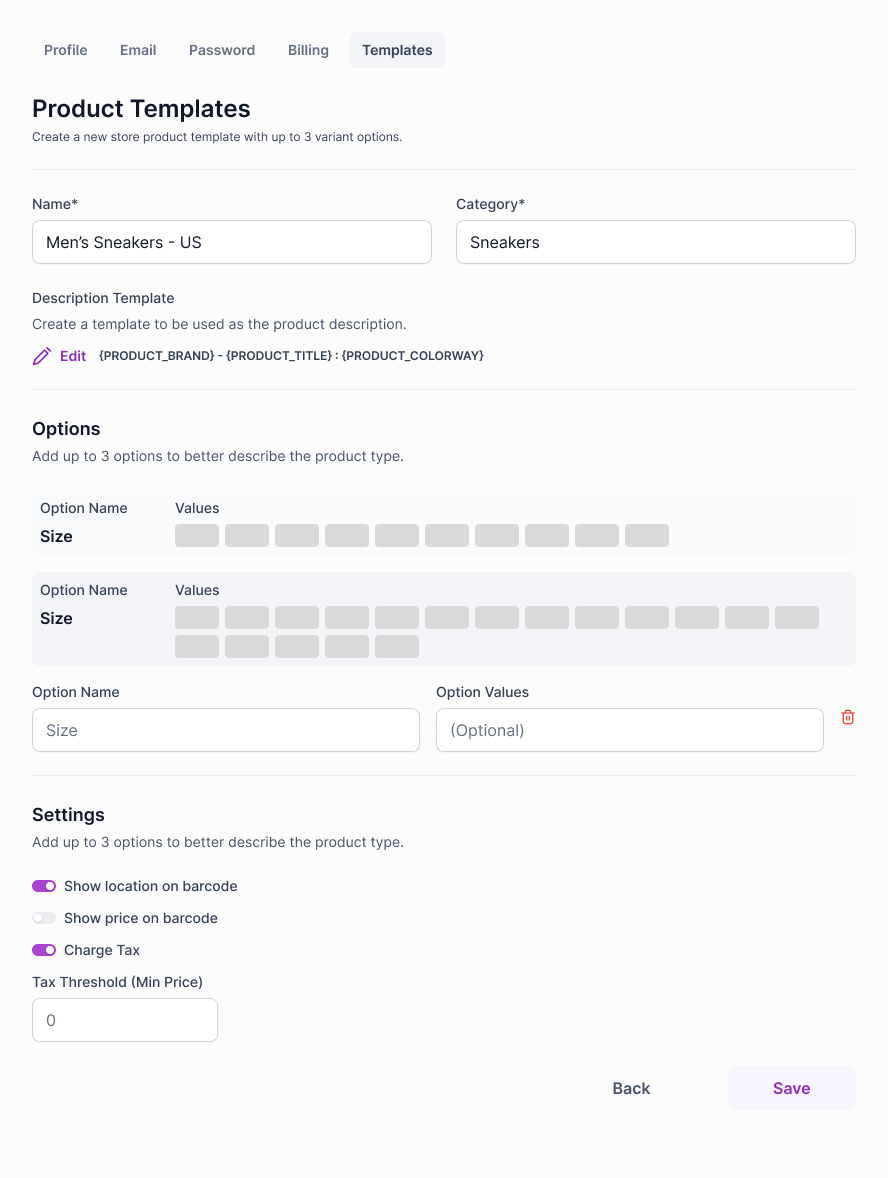
Consignr product template editor: name, category, description template and variant options

Deliveries

Need
When a seller brings items in, the store has to add them all to its inventory and agree on a deal for each one: buyout, store credit or consignment.
Designed
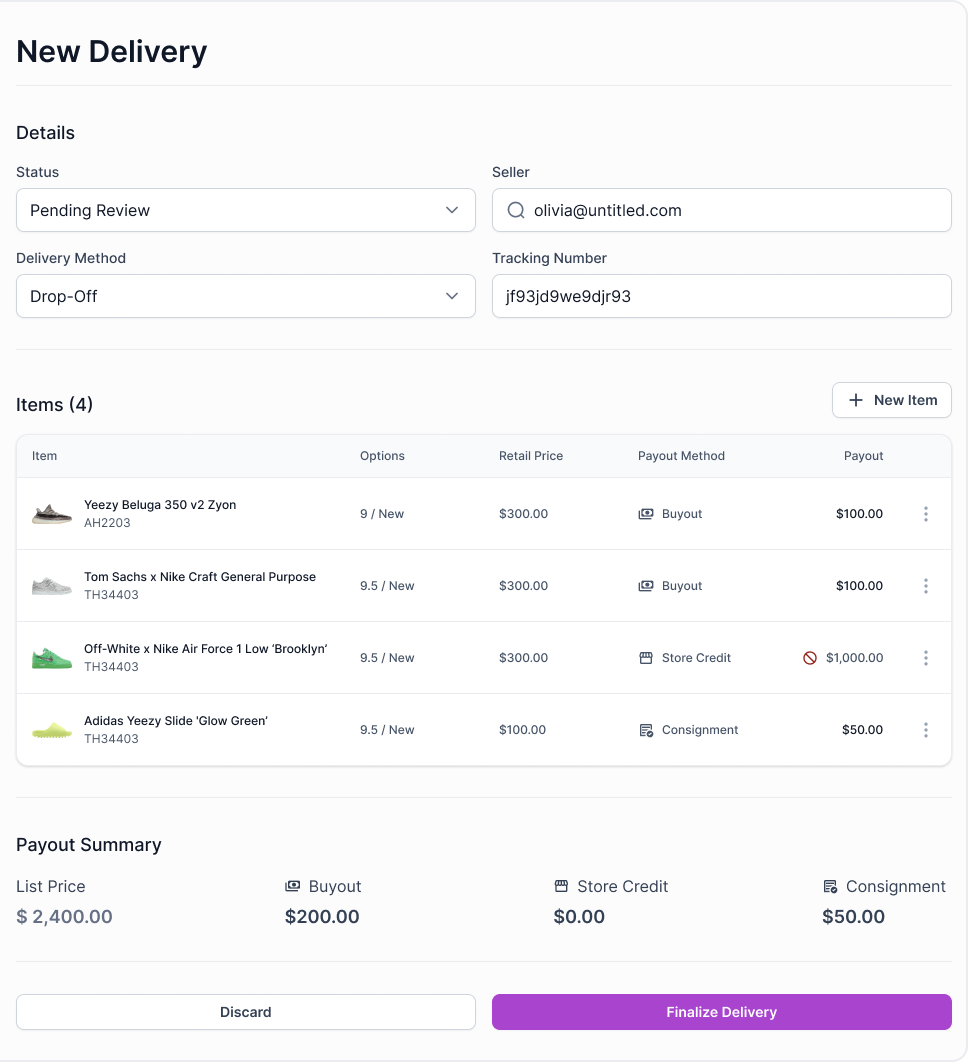
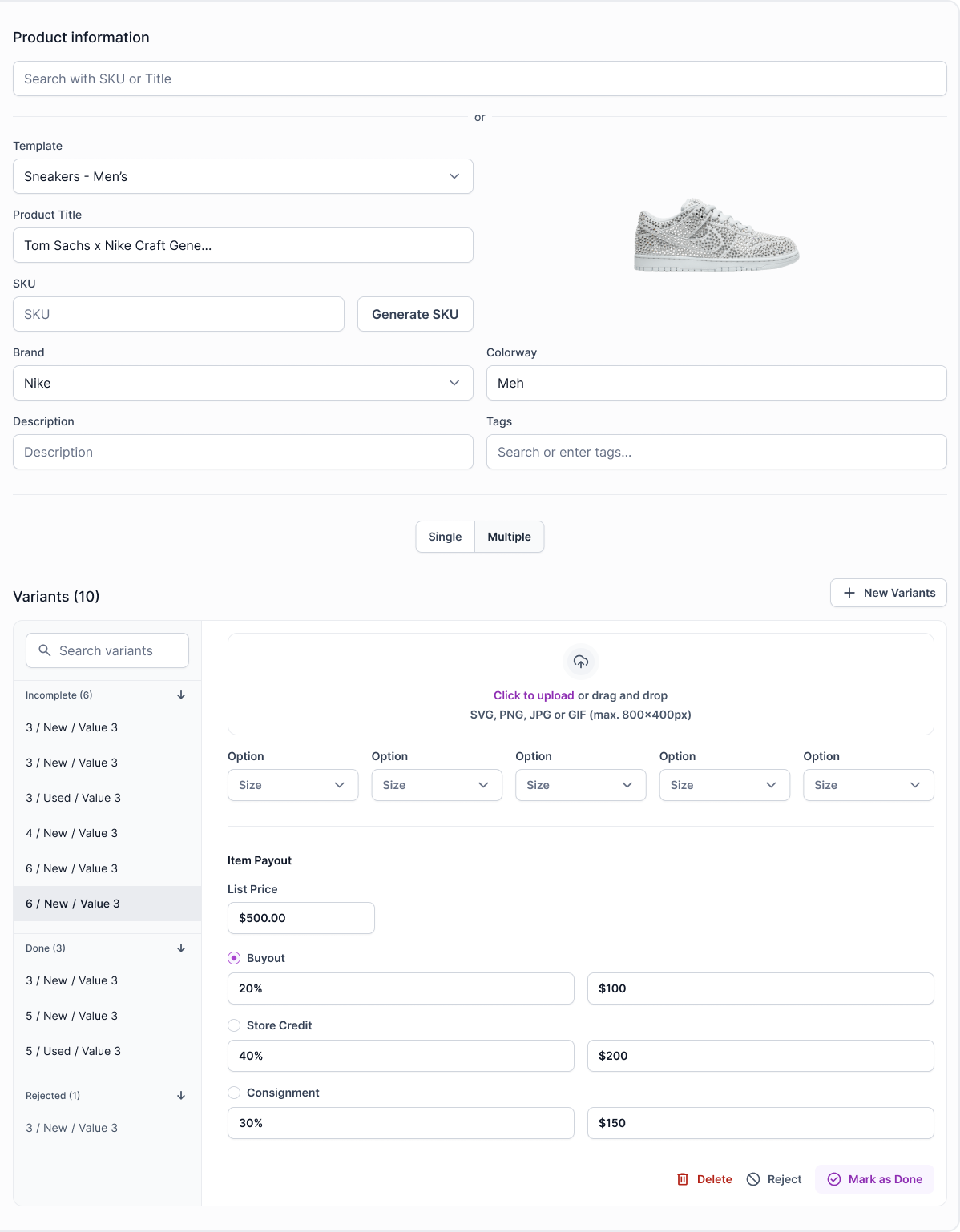
A delivery groups a seller's items, each with its own payout method, and totals what the store owes. Items start from a product template, so their variants, like size and condition, come straight from the template's options. Many variants can be added at once, then worked through as incomplete, done or rejected.
Consignr new delivery: seller details, items with payout methods and a payout summary
A delivery: the seller's items, each with its own deal, and the payout summary.
Consignr adding an item: template, product details and variants with payout options
Adding an item: pick a template, then fill in variants and their payouts.

Next: a system

Feature by feature, one problem kept coming up: consistency. Consignr doesn't have a design system yet, and the app doesn't use semantic variables yet, so the same thing can look different from one screen to the next.

I've designed a design system for it. It isn't built out yet, but moving the app to semantic variables is the first change I'd like to make. It's what lets every future feature stay consistent by default.

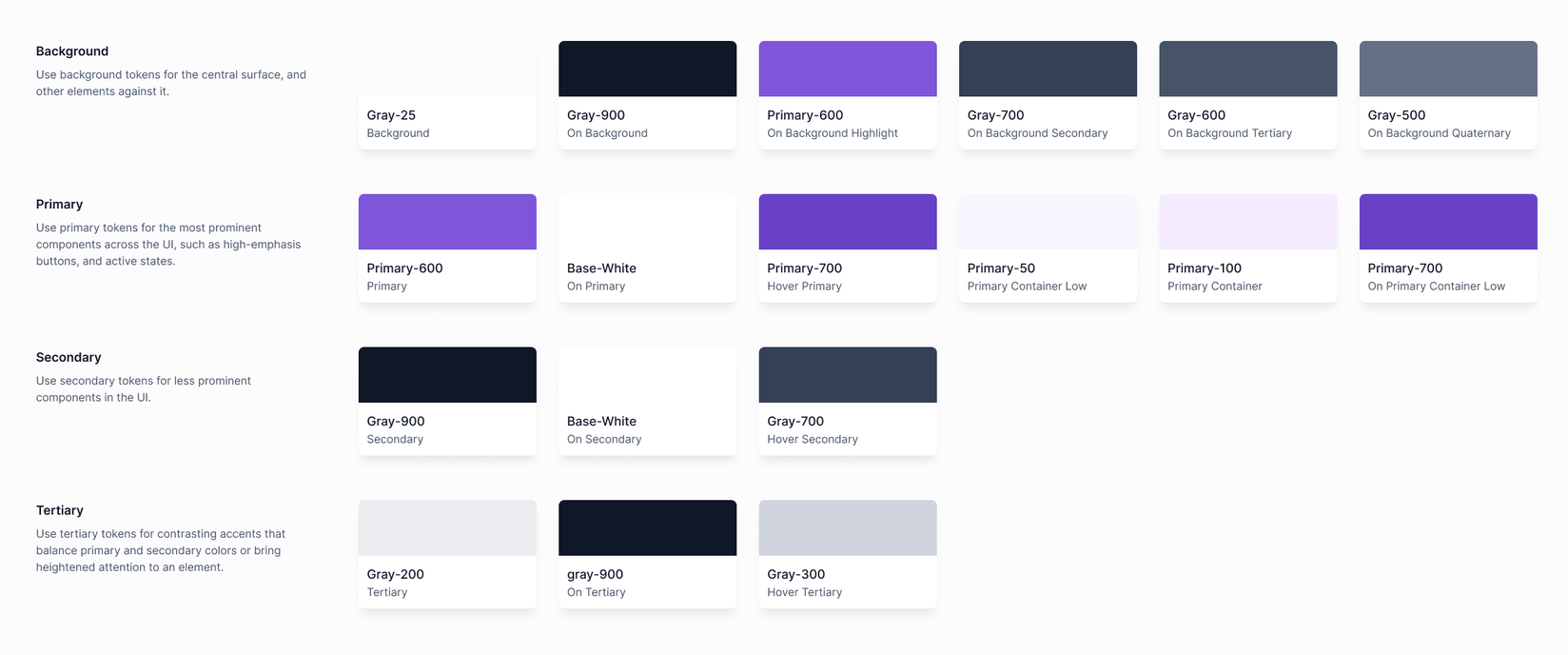
Consignr colour tokens: background, primary, secondary and tertiary roles mapped to palette colours
Colour tokens: every colour gets a role, like Primary, On Primary or Hover Primary, instead of a raw value.

Looking back

Working this way has its challenges. I'm not as integrated as I was when I worked full time on a product. I don't live and breathe Consignr every day, which can make UX problems harder to see.

What makes it work is the team. They know their customers very well, so our meetings are incredibly collaborative, a real mix of ideas.